Your Selected Vehicle
Parts for your 2015 Subaru Outback-Drive belt pulley


Explore 4WD & Adventure


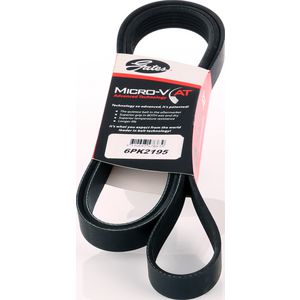
2015 Subaru Outback drive-belt pulley
Based on Subaru’s 2015 Outback factory service information and dealer parts catalogues (FB25 2.5i and EZ36 3.6R), a serpentine/auxiliary drive belt and its pulleys are absolutely fitted to this model. The system drives key accessories: on the 2.5i it turns the alternator and air‑conditioning compressor (electric power steering means no belt‑driven pump), while the 3.6R’s belt also spins the hydraulic power steering pump. Those technical sources list the crankshaft (harmonic balancer) pulley, automatic tensioner pulley, idler pulley/s, alternator pulley and A/C compressor pulley, confirming the drive-belt-pulley is relevant to every 2015 Outback variant.
The drive-belt pulley setup does the quiet heavy lifting under the bonnet. The crank pulley sends engine rotation through a multi‑rib belt, while the tensioner and idler pulleys keep the belt correctly tensioned and tracking straight so the alternator charges properly, the A/C stays cold, and—on 3.6R—steering assist remains light. Healthy pulleys prevent belt slip, squeal and premature belt wear.
For Aussie and Kiwi conditions, it’s smart to have the belt and pulleys inspected at every service or at least every 12 months/15,000 kilometres. A tech will check for belt cracking, glazing, fraying or oil contamination, then spin and feel each pulley for roughness, play or noise. Any sign of wobble or a dry, gritty bearing is a cue to replace that pulley before it lets the belt down.
Many owners choose to renew the belt, tensioner and idler as a set somewhere around 100,000–150,000 kilometres, or sooner if there’s noise. It’s a relatively quick job, but correct routing and tension are critical. After fitting, the engine should be rotated by hand to ensure proper tracking, then rechecked after first start.
- Common symptoms of pulley or belt trouble: cold‑start squeal or chirp, visible pulley wobble, metallic bearing growl, belt “walking” off a rib, battery warning light, weak A/C, and on 3.6R, heavier steering.
- Pro tips: keep oil and coolant off the belt, replace contaminated belts, and use quality OEM‑spec pulleys for long life and smooth running.
Bottom line: the 2015 Outback relies on its drive-belt pulleys to keep daily motoring easy and reliable—look after them and they’ll look after you.
How long do drive-belt pulleys last on a 2015 Subaru Outback?
With clean running and quality parts, many pulleys run 100,000–150,000 kilometres or more. Replace immediately if there’s bearing noise, play or wobble, or when doing a belt refresh to avoid repeat labour.
What noises point to a failing pulley rather than just the belt?
A sharp chirp that changes with spray of water on the belt suggests slip, but a constant metallic growl, rumble or grinding from one spot usually points to a dry or failing pulley bearing.
Are the 2.5i and 3.6R drive-belt systems different?
Yes. The 2.5i drives the alternator and A/C, steering is electric. The 3.6R adds a belt‑driven power steering pump, so it has an extra accessory pulley and places more importance on belt condition for steering assist.


