Your Selected Vehicle
Parts for your 2014 Subaru Outback-Drive belt pulley


Explore 4WD & Adventure


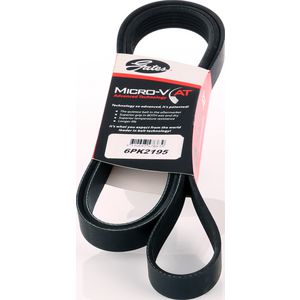
2014 Subaru Outback drive-belt pulley: what it does and when to replace it
Based on technical references including the 2014 Subaru Outback (BR/BM) Subaru Service Manual via STIS (sections: Belt Drive for FB25 2.5i and EZ36 3.6R) and the Subaru parts catalogue, plus well-known aftermarket application data (Gates/Dayco), this model absolutely uses accessory drive-belt pulleys. The system comprises a multi-rib serpentine belt running over the alternator and A/C compressor, guided by an automatic tensioner and one or more idler pulleys. On certain trims, a belt-driven power steering pump is also included, on others, steering assist is electric. The water pump on both engines is driven by the timing chain, not the accessory belt.
On a 2014 Subaru Outback, the drive-belt pulley family (idler and tensioner pulleys) keeps the belt tracking straight, maintains wrap around the alternator and A/C compressor, and stabilises belt tension so there’s no slip or squeal. When a pulley bearing wears, it can wobble or drag, which quickly chews out the belt and can leave the car without charging or air-con.
For everyday servicing in Australia or New Zealand, it’s smart to inspect the belt and pulleys at every service (roughly every 10–15,000 kilometres or 6–12 months). Under the bonnet with the engine off, look for frayed belt edges, glazing, or cracks. Spin the idler(s) by hand, any roughness, notchiness or free-play means the bearing’s on the way out. With the engine running, a chirp, squeak, or metallic whirr that changes with revs often points to a failing pulley. If the belt tracks side-to-side on a pulley, the pulley face may be out of true.
Replacement is straightforward for a competent home mechanic: de-tension the belt using the tensioner, note the routing, then swap the suspect pulley. Use the correct spanner or socket (commonly 14–15 mm), clean the mounting face, and torque to the spec in the workshop manual. Many workshops recommend replacing the belt, tensioner, and idler(s) as a set, especially past 100,000 kilometres or when there’s audible bearing noise. Genuine or quality aftermarket pulleys with sealed bearings are both fine—just avoid no-name units with unknown bearings.
Because the alternator output and A/C comfort rely on this system, don’t ignore early noises. A tidy belt path, a smooth-spinning idler, and a firm, self-adjusting tensioner keep the Outback happy on long Kiwi or Aussie road trips.
- Key signs it’s time: bearing growl, belt squeal, pulley wobble, or visible belt wear.
- Best practice: inspect at every service, replace worn pulleys and belt together.
- Tip: after fitting, run the engine and watch the belt—tracking should be steady with no flutter.
Popular questions about 2014 Subaru Outback drive-belt pulleys
How long do the drive-belt pulleys typically last?
Many last 100,000–160,000 kilometres, but heat, dust, and stop–start use can shorten bearing life. If there’s any noise, roughness when spun by hand, or wobble, replace sooner rather than later to protect the belt and alternator.
Should the belt be replaced when changing a pulley?
Yes, it’s good practice. A fresh pulley on a worn belt can still slip or squeal. Most workshops fit a new belt and, if kilometres are up, a new tensioner too. It’s a small extra cost that often prevents a roadside drama.
What noise points to a bad pulley versus a bad belt?
A rhythmic chirp that briefly quietens with a light water mist often indicates belt glazing. A dry, growling or metallic whirr that remains and changes with rpm usually indicates a pulley bearing. If unsure, remove the belt and spin each pulley—any roughness means it’s due.


