Your Selected Vehicle
Parts for your 2013 Subaru Outback-Drive belt pulley


Explore 4WD & Adventure


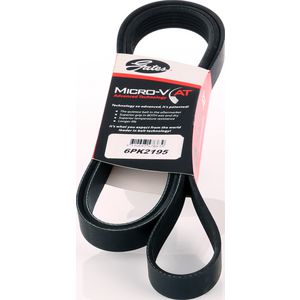
2013 Subaru Outback drive-belt pulleys — what they do and when to service them
Yes, a drive-belt pulley is absolutely relevant on the 2013 Subaru Outback. Technical references including the Subaru Service Manual for the BR/BM Outback (2013, Engine/Mechanical sections on the auxiliary drive belt), Subaru’s factory maintenance schedule, and aftermarket catalogues from Dayco and Gates all show the 2013 Outback’s engines (2.5-litre FB25 and 3.6-litre EZ36, with similar arrangements on the EE20 diesel where fitted) using a serpentine auxiliary drive belt with multiple pulleys: crankshaft (harmonic balancer), alternator, A/C compressor, an automatic tensioner pulley, and at least one idler pulley. The Subaru parts catalogue also lists these pulleys as serviceable items for this model year.
On this Outback, the drive-belt pulleys guide and drive the serpentine belt that runs key accessories. The crank pulley spins the belt, the tensioner keeps the belt tight, idlers route it neatly, the alternator and A/C compressor pulleys do the hard work at their respective components. On variants with a hydraulic power steering pump, there’s a pump pulley in the mix too. Together, these pulleys keep charging, cooling and cabin comfort on song.
As part of regular servicing, it pays to:
- Inspect the belt at each service for cracks, glazing, fraying, contamination or chunking.
- Spin and feel pulleys with the belt off, any roughness, play, noise, or wobble means replacement.
- Check the automatic tensioner for smooth travel and correct alignment, replace if it’s weak or jerky.
Typical replacement timing for a healthy, quality belt is around 100,000–150,000 km or 5–7 years in local conditions, but inspect sooner if the vehicle sees dusty roads, lots of short trips, heat, or towing. Pulleys and the tensioner often last a similar distance, many techs replace the belt, idler(s) and tensioner as a kit to avoid repeat labour.
When it’s time to replace parts, mark the belt routing or use the published diagram, use the correct-size spanner on the tensioner to relieve load, and ensure the new belt is fully seated in every pulley groove before starting. After installation, run the engine and watch for any tracking wander or chirping. If the alternator uses a decoupler pulley on your particular VIN, verify the correct type before ordering. Keeping oil and coolant off the belt and pulleys goes a long way to quiet, long-lived operation.
How often should the drive belt and pulleys be replaced?
They should be inspected at every service. Many owners see belt life of 100,000–150,000 km or about 5–7 years. Replace sooner if there are cracks, glazing, noise, or contamination. Idler and tensioner pulleys often last a similar interval, replacing them with the belt prevents repeat visits.
What are the signs of a failing idler or tensioner pulley?
Common giveaways include cold-start squeals or chirps, a rattly idle, belt wander, visible pulley wobble, and a hot rubber smell. You might also notice charging issues, A/C that cuts out, or heavy steering on variants with a hydraulic pump.
Is it safe to drive with a noisy pulley?
Not recommended. If a pulley bearing seizes, the belt can shred or jump, which may stop the alternator charging and the A/C, and on some setups can affect cooling or power steering. It’s best to get it checked promptly, short, gentle trips only if absolutely necessary.


