Your Selected Vehicle
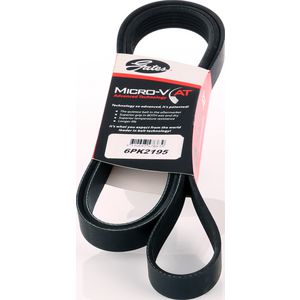
Parts for your 2010 Subaru Forester-Drive belt


Explore 4WD & Adventure




Product added to cart
2010 Subaru Forester drive belt — what it does and when to replace it
Technical sources including the Subaru Forester 2010 Owner’s Manual, the Subaru Factory Service Manual (FSM) for the EJ25 engine, and major parts catalogues from Gates and Dayco confirm the 2010 Subaru Forester is fitted with accessory drive belts. On EJ25-powered 2010 models (both non-turbo and turbo), there are two V‑ribbed accessory belts under the bonnet: one drives the alternator and power steering pump, and the other runs the air-conditioning compressor. These are separate from the engine’s timing belt, which drives the camshafts and water pump.
On this Forester, the drive belts keep daily motoring hassle-free by powering essentials. The alternator belt keeps the battery charged and the electrics happy, while the second belt ensures the A/C blows cold and the steering stays light. Unlike some newer vehicles that use a single serpentine belt with an automatic tensioner, the EJ25 setup uses individual belts with manual adjustment via the alternator bracket and an A/C idler. That makes condition and tension checks during servicing especially important.
For routine servicing in Australia and New Zealand, it’s smart to inspect the belts at each service (around every 10,000–15,000 km or 12 months, per typical local schedules and the Subaru maintenance guidance). Look for fine cracking across the ribs, frayed edges, glazing (a shiny, hardened look), or any squeal on cold starts. If the battery light flickers, the steering feels heavy, or the A/C performance drops off, a slipping or worn belt could be the culprit.
Replacement timing varies with use and climate, but many workshops in ANZ recommend renewing accessory belts roughly every 60,000–100,000 km or 4–6 years, and sooner if wear shows up. When fitting new belts, check the condition of the A/C idler pulley and the alternator/power steering pulleys, and set tension per the FSM spec—too tight can stress bearings, too loose will slip and squeal. After the first short drive, recheck belt tension as fresh belts can bed in and relax slightly.
Don’t confuse these with the timing belt: on 2010 Foresters with the EJ25, the timing belt interval is far longer and is a separate job altogether. Sticking with quality EPDM belts from reputable brands (or genuine Subaru parts) will keep things quiet, reliable, and ready for the next big road trip.
- Typical symptoms of a tired drive belt: start-up squeal, visible cracking, shiny ribs, battery warning light, heavy steering, or poor A/C cooling.
- Service tip: inspect at every service, replace belts earlier if you tow, drive in hot or dusty conditions, or notice noise/slip.
Popular questions about 2010 Subaru Forester drive belts
Does the 2010 Subaru Forester use a single serpentine belt?
No. The EJ25-equipped 2010 Forester uses two separate V‑ribbed accessory belts: one for the alternator/power steering and another for the A/C compressor. It also has a separate timing belt hidden behind the front covers.
How often should the drive belts be replaced?
Inspect at every service and replace around 60,000–100,000 km or 4–6 years, earlier if there’s cracking, glazing, squeal, or slip. The timing belt interval is much longer, so treat it as a different maintenance item.
What happens if a drive belt fails while driving?
If the alternator/power steering belt fails, you may see a battery light and experience very heavy steering. If the A/C belt fails, the cabin simply won’t cool. It’s best to stop and sort it promptly to avoid getting stranded or stressing other components.
Popular Searches


