Your Selected Vehicle
Parts for your 2009 Subaru Tribeca-Batteries



30%OFF
Drivetech 4x4 OE Style Switch UHF RJ45 Socket, Suits Toyota and Mitsubishi - DT-11105
$32.20
$46

30%OFF
Drivetech 4x4 OE Style Push Button Switch Driving Lights, Suits Toyota and Mitsubishi - DT-11002
$23.10
$33


30%OFF
Drivetech 4x4 OE Style Push Button Switch Lightbar, Suits Toyota and Mitsubishi - DT-11081
$23.10
$33

30%OFF
Drivetech 4x4 OE Style Push Button Switch Aux Lights Symbol Suits Toyota and Mitsubishi - DT-11078
$23.10
$33


30%OFF
Drivetech 4x4 Dual USB Socket 2.1A Per USB - Panel Mount with Voltmeter - DT-11025
$37.80
$54

30%OFF
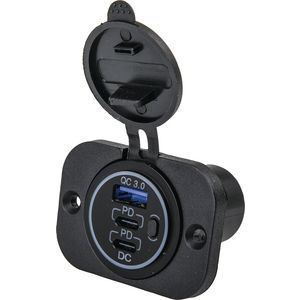
Drivetech 4x4 QC3.0 Quick Charge USB, Type-C Port and Voltage Display Power Socket - DT-17103
$30.80
$44

30%OFF
Drivetech 4x4 Rocker Fog Lights Switch On/Off SPST 12 or 24V Blue Illumination (Contacts Rated 20A @ 12V) - DT-11020
$21.70
$31


30%OFF
Drivetech 4x4 OE Style Push Button Switch Roof Lights, Suits Toyota and Mitsubishi - DT-11082
$23.10
$33

30%OFF
Drivetech 4x4 Rocker Driving Lights Switch On/Off SPST 12 or 24V Blue Illumination (Contacts Rated 20A @ 12V) - DT-11008
$21.70
$31


30%OFF
Drivetech 4x4 OE Style Push Button Switch Aux Lights Symbol Suits Toyota - DT-11019
$26.60
$38

30%OFF
Drivetech 4x4 Rocker Winch Switch Mom On/Off Mom On SPDT 12 or 24V Blue Illuminated (Contacts Rated 20A @ 12V) - DT-11007
$30.10
$43


30%OFF
Drivetech 4x4 Rocker 4 Switch Panel On - Off - SPST 12 or 24V Blue Illumination (Contacts Rated 20A @ 12V) - DT-11030
$105
$150


30%OFF
Drivetech 4x4 OE Style Push Button Switch Beacon, Suits Toyota and Mitsubishi - DT-11077
$23.10
$33


30%OFF
Drivetech 4x4 Rocker Beacon Switch On/Off SPST 12 or 24V Blue Illumination (Contacts Rated 20A @ 12V) - DT-11012
$21.70
$31

30%OFF
Drivetech 4x4 OE Style Push Button Switch Auxiliary Lights, Suits Holden and Isuzu - DT-11086
$26.60
$38

30%OFF
Drivetech 4x4 Rocker AUX Lights Switch On/Off SPST 12 or 24V Blue Illumination (Contacts Rated 20A @ 12V) - DT-11013
$21.70
$31


Product added to cart
2009 Subaru Tribeca batteries
Technical sources including the 2009 Subaru Tribeca Owner’s Manual and Subaru’s Factory Service Manual (Starting/Charging System sections), plus the scheduled maintenance guide, confirm this model is fitted with a 12‑volt lead‑acid starter battery. So yes—batteries are absolutely relevant to the 2009 Subaru Tribeca.
The battery’s job is bigger than just cranking the flat‑six to life. It stabilises system voltage for the ECU, powers lights and accessories with the engine off, and keeps security and memory functions alive. When it’s healthy, starting is quick, electronics behave, and the alternator isn’t overworked catching up after each drive.
As part of routine servicing, a battery test is a smart inclusion—checking open‑circuit voltage, conductance/CCA, and a charging system test under load. In Australian and New Zealand conditions, most Tribeca batteries last around 4–6 years, shorter if the vehicle does lots of short trips, towing, or sits for long periods. Keep terminals clean and tight, ensure the hold‑down is secure, and if the unit is serviceable (not sealed), electrolyte should sit above the plates with distilled water only.
When replacement time comes, match the physical size, terminal layout, and at least the original cold‑cranking amps. A quality AGM is a worthwhile upgrade if the car runs plenty of accessories, but a good flooded lead‑acid that meets spec is perfectly fine. Avoid “stop/start” EFB types—this model doesn’t use idle stop systems. Use a memory saver if you want to keep presets, otherwise, expect to reset the clock and radio, and the auto windows may need a quick relearn. The ECU may refine idle and fuel trims over a few short trips.
- Signs it’s due: slower cranking, dimming lights at idle, repeated jump‑starts, or test results below spec.
- Safe swap basics: ignition off, remove negative first, then positive, install positive first, then negative, lightly grease terminals, verify charging voltage ~13.8–14.6 V with engine running.
- Not driving often? A smart maintainer keeps charge without cooking the battery.
- Always recycle the old unit—most parts stores and workshops take them.
Popular questions about 2009 Subaru Tribeca batteries
What battery type and size suits a 2009 Subaru Tribeca?
It takes a 12‑volt automotive lead‑acid battery. Choose one that matches the tray size and terminal orientation, with CCA at least equal to the original spec. Many owners opt for a quality AGM for better vibration resistance, though a conventional sealed lead‑acid that meets the rating works well. When in doubt, check the owner’s manual or the label on the existing unit.
How long should the battery last?
Typically 4–6 years in AU/NZ. Heat, short urban trips, and added accessories can shorten life. After three years, add a battery test to each service so issues are caught before it leaves them stranded at the servo or school run.
Will anything need resetting after a battery change?
Usually just the clock, radio presets, and auto window functions. The engine control module will fine‑tune idle and fuel trims over a few drives, which is normal. If a memory saver is used during the swap, most settings are retained.
Popular Searches


