Your Selected Vehicle
Parts for your 2006 Honda Cr-v-Sway bars & links


Explore 4WD & Adventure
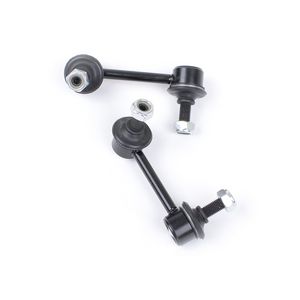


Maintaining and Replacing Sway Bars & Links on Your 2006 Honda CR-V
Sway bars - also known as stabiliser bars - play an essential role in your vehicle's suspension system, including that of the 2006 Honda CR-V. Along with the links that connect them to the suspension, they are critical for enhancing the vehicle's stability and handling during turns or on rough roads.
As you drive your Honda CR-V, the sway bar and links work tirelessly to ensure that your vehicle remains stable by minimising body roll. This makes them crucial components for safety and comfort. Over time, these parts can wear out, and understanding when and how to replace them can save you from more significant issues down the line.
So, how do you know if your CR-V's sway bars or links need attention? Let's go over some signs and information that can help you take the best care of these components.
- Your vehicle exhibits excessive body roll during turns or feels less stable.
- Clunking noises from the suspension area, particularly when driving over bumps or rough surfaces, could indicate worn or loose sway bar links.
- Visible physical damage or wear to the sway bar or its links, such as cracks or corrosion.
If you notice any of these symptoms, it's a good idea to get your sway bars and links checked by a professional. Let's discuss what's involved in maintaining or replacing sway bars and links on your 2006 Honda CR-V.
- Regular Inspections
As part of routine vehicle maintenance, checking the condition of your sway bars and links should be on your to-do list. Inspect them for any signs of wear or damage. Even if you're not experiencing noticeable symptoms, regularly inspect these components as preventative care - about every 10,000 to 15,000 kilometres or during scheduled service appointments.
- Evaluating Worn Components
When inspecting your sway bars, check for excessive free play or wear in the bushings. The links, often a point of failure, should be secure and free of corrosion. Note any looseness or damage that could indicate a need for replacement. Comprehensive inspections are best handled by a licensed mechanic, as they can identify subtle issues that might not be visible to the untrained eye.
- When to Replace
If your Honda CR-V's sway bar or links are showing any sign of wear or damage, replacement becomes necessary. Waiting too long can affect the handling and safety of your vehicle. Replacement interval varies based on driving conditions and habits, but worn components should be replaced as soon as problems are identified.
- Replacement Process
Replacing sway bars and links is generally straightforward but does require some mechanical knowledge and tools. A mechanic will first lift the vehicle to gain access to the undercarriage. The old links are then removed, new ones fitted, and everything tightened to the manufacturer's specifications. Some opt to upgrade with performance sway bars for improved handling.
- DIY vs. Professional Service
While some seasoned DIY enthusiasts may choose to replace sway bars and links themselves, most vehicle owners will likely benefit from professional service to ensure proper installation and function. A professional will ensure everything is tightened to specifics, and alignment is checked post-installation, providing peace of mind.
Upon replacement, it's crucial to re-evaluate the handling characteristics of your Honda CR-V. If you still notice any unusual behaviour that might indicate other suspension issues, a comprehensive examination by a professional is advisable. Keeping your sway bars and links in peak condition ensures the vehicle performs as intended, providing safety and comfort on the road. Following this guide will help maintain or restore your Honda CR-V to its best driving condition. With these components in check, you can enjoy a smooth and stable ride, knowing you've taken the necessary steps to keep your beloved vehicle in top shape.


