Your Selected Vehicle
Parts for your 2004 Honda Cr-v-Sway bars & links


Explore 4WD & Adventure
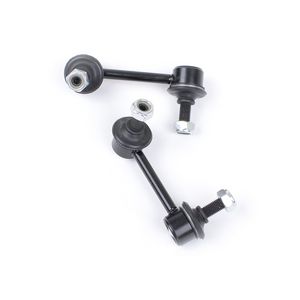


Guide to Maintaining and Replacing Sway Bars & Links on a 2004 Honda CR-V
If you drive a 2004 Honda CR-V, you'll know that keeping your vehicle in top shape is important for its longevity and your safety. One component that plays a crucial role in your car's handling and stability is the sway bar and its links. These parts are there to reduce body roll and improve grip as you navigate turns and corners.
Sway bars, often referred to as stabiliser bars, are typically made of metal and connect opposite wheels through short links. In a 2004 Honda CR-V, sway bars are indeed used and have a direct impact on the vehicle's performance. It's important to be aware of the condition of these parts and understand when they might need replacement or maintenance.
Maintaining your sway bars and links is not only necessary for your car's performance but also for your comfort and safety on the road. Here are some pointers to help you keep these critical components in peak condition:
- Regular Inspection: Incorporate a regular check of the sway bars and links into your car maintenance routine. Look for any visible signs of wear, such as cracks, bends, or corrosion. If you're not comfortable doing this yourself, a professional mechanic can inspect them during your scheduled service.
- Recognise Symptoms of Wear: Early detection of problems can save you from costly repairs. Pay attention to signs like unusual noise when turning, such as clunking or rattling, or a noticeable reduction in steering responsiveness. If you notice your Honda CR-V has become more difficult to control, especially around corners, it might be time to examine the sway bars and links.
When a replacement is required, here are some steps to consider:
- Gather Necessary Tools and Parts: Ensure you have the correct replacement parts specific for a 2004 Honda CR-V. A socket set, wrenches, and a jack with stands are commonly needed. You might also need a torque wrench to ensure everything is tightened to the specified levels.
- Safety First: Make sure your vehicle is in a safe position before starting any repair work. Jack up your vehicle and securely place it on jack stands, giving you room to work safely.
- Remove Old Links: Start by removing the old sway bar links using a socket wrench. You might need to hold one end of the link with a wrench while you turn the bolt from the other end. Some penetrating oil can help if the parts are seized from corrosion.
- Install New Links: Once the old links are removed, position the new sway bar links in place. Tighten the new bolts by hand to get them started before using your tools.
- Use Torque Wrench: Ensure that the bolts are tightened to the prescribed torque settings as per the vehicle manufacturer's specifications. This step is crucial because improper torque can lead to premature wear or failure.
After replacing the sway bar links, it's good practice to take your CR-V for a test drive. Pay attention to any noises or handling quirks that might indicate improper installation or another issue. If everything feels smoother and quieter, you've done a perfect job.
It's essential to keep records of any maintenance or replacement parts installed in your vehicle. This information is not only useful for future services but can also be beneficial if you ever decide to sell the car. Prospective buyers appreciate detailed maintenance history as it indicates a well-cared-for vehicle.
Keeping on top of these crucial components in your 2004 Honda CR-V can vastly improve your driving experience and extend the life of your vehicle. So, whether you're a DIY enthusiast or prefer the reassurance of a certified mechanic, don't overlook the sway bars and links. They're small parts that have a big impact on the smooth operation of your car.


