Your Selected Vehicle
Parts for your 2016 Bmw X3-Batteries



30%OFF
Drivetech 4x4 OE Style Switch UHF RJ45 Socket, Suits Toyota and Mitsubishi - DT-11105
$32.20
$46

30%OFF
Drivetech 4x4 OE Style Push Button Switch Driving Lights, Suits Toyota and Mitsubishi - DT-11002
$23.10
$33

30%OFF
Drivetech 4x4 OE Style Push Button Switch Lightbar, Suits Toyota and Mitsubishi - DT-11081
$23.10
$33

30%OFF
Drivetech 4x4 OE Style Push Button Switch Aux Lights Symbol Suits Toyota and Mitsubishi - DT-11078
$23.10
$33


30%OFF
Drivetech 4x4 Dual USB Socket 2.1A Per USB - Panel Mount with Voltmeter - DT-11025
$37.80
$54


30%OFF
Drivetech 4x4 Rocker Fog Lights Switch On/Off SPST 12 or 24V Blue Illumination (Contacts Rated 20A @ 12V) - DT-11020
$21.70
$31

30%OFF
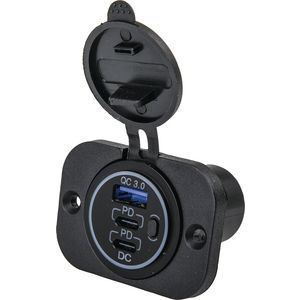
Drivetech 4x4 QC3.0 Quick Charge USB, Type-C Port and Voltage Display Power Socket - DT-17103
$30.80
$44


30%OFF
Drivetech 4x4 OE Style Push Button Switch Roof Lights, Suits Toyota and Mitsubishi - DT-11082
$23.10
$33

30%OFF
Drivetech 4x4 Rocker Beacon Switch On/Off SPST 12 or 24V Blue Illumination (Contacts Rated 20A @ 12V) - DT-11012
$21.70
$31


30%OFF
Drivetech 4x4 Rocker Driving Lights Switch On/Off SPST 12 or 24V Blue Illumination (Contacts Rated 20A @ 12V) - DT-11008
$21.70
$31

30%OFF
Drivetech 4x4 Rocker AUX Lights Switch On/Off SPST 12 or 24V Blue Illumination (Contacts Rated 20A @ 12V) - DT-11013
$21.70
$31


30%OFF
Drivetech 4x4 Rocker Winch Switch Mom On/Off Mom On SPDT 12 or 24V Blue Illuminated (Contacts Rated 20A @ 12V) - DT-11007
$30.10
$43

30%OFF
Drivetech 4x4 OE Style Push Button Switch Aux Lights Symbol Suits Toyota - DT-11019
$26.60
$38


30%OFF
Drivetech 4x4 Rocker 4 Switch Panel On - Off - SPST 12 or 24V Blue Illumination (Contacts Rated 20A @ 12V) - DT-11030
$105
$150


30%OFF
Drivetech 4x4 OE Style Push Button Switch Beacon, Suits Toyota and Mitsubishi - DT-11077
$23.10
$33

30%OFF
Drivetech 4x4 Rocker Front Diff Switch On/Off SPST 12 or 24V Blue Illumination (Contacts Rated 20A @ 12V) - DT-11022
$21.70
$31


Product added to cart
2016 BMW X3 Batteries: Purpose, Care and When to Replace
Per BMW’s 2016 X3 (F25 LCI) Owner’s Handbook and BMW Technical Information System (TIS) procedures for the F25, this model is fitted with a 12‑volt AGM battery and an Intelligent Battery Sensor (IBS). BMW’s parts catalogue (ETK) lists AGM units in the 90–105Ah range for the 2016 X3, and BMW service guidance specifies that any replacement must be “registered” (and coded if capacity/type changes) so the charging strategy matches the new battery.
For the 2016 BMW X3, the battery is the quiet workhorse. It cranks the engine, stabilises the electrical system, and supports stop/start, comfort access, iDrive, safety systems and more. AGM construction suits the X3’s high electrical loads and start/stop use, while the IBS on the negative terminal monitors battery condition and talks to the charging system to protect longevity. The battery lives in the boot under the floor area, helping weight distribution and keeping it away from engine bay heat.
As part of servicing, it’s smart to check state of charge and health. Short trips, winter mornings and accessory loads can nudge an older battery over the edge. Signs it’s getting tired include slow cranking, stop/start being unavailable, electrical gremlins or warning messages. Many owners see 4–6 years in typical Aussie and Kiwi conditions, though climate and driving patterns matter.
When replacement time comes, stick with an AGM of the same rating and physical size. After fitting, the battery must be registered with a suitable scan tool, if capacity or type changes, coding is required. Skipping this step can lead to over‑ or under‑charging and a shortened life. BMW recommends charging or jump‑starting from the designated posts in the engine bay so the IBS remains in circuit.
- Use a quality smart charger if the X3 sits for weeks, connecting to the engine‑bay terminals.
- Avoid deep discharges, turn off high‑draw accessories when parked.
- Secure the battery clamp and venting, loose or unvented batteries can cause trouble.
- Recycle the old battery responsibly through a battery retailer or workshop.
Following BMW TIS procedures for removal/installation and battery registration keeps the charging logic accurate, clears learned values, and helps the X3’s electrics behave as they should.
Popular questions
What battery type does a 2016 BMW X3 use?
The 2016 X3 (F25) uses a 12‑volt AGM battery, typically around 90–105Ah depending on options. It also has an Intelligent Battery Sensor (IBS). Always match the original specifications noted on the battery label or confirm via VIN with a BMW specialist.
Do I need to register or code the new battery?
Yes. After replacement the battery must be registered with a suitable diagnostic tool, and if the capacity or type changes, coding is required. This updates the vehicle’s charging strategy so the new battery is charged correctly and lives longer.
How long should the battery last, and how can I extend its life?
Expect roughly 4–6 years, depending on climate and driving. To extend life, take longer drives occasionally, use a smart charger if the car sits, keep terminals clean and tight, and ensure any aftermarket accessories are wired properly to avoid parasitic drains.
Popular Searches


