Your Selected Vehicle
Parts for your 2010 Nissan Pulsar-Batteries



30%OFF
Drivetech 4x4 OE Style Switch UHF RJ45 Socket, Suits Toyota and Mitsubishi - DT-11105
$32.20
$46

30%OFF
Drivetech 4x4 OE Style Push Button Switch Lightbar, Suits Toyota and Mitsubishi - DT-11081
$23.10
$33


30%OFF
Drivetech 4x4 OE Style Push Button Switch Aux Lights Symbol Suits Toyota and Mitsubishi - DT-11078
$23.10
$33


30%OFF
Drivetech 4x4 Dual USB Socket 2.1A Per USB - Panel Mount with Voltmeter - DT-11025
$37.80
$54

30%OFF
Drivetech 4x4 Rocker Fog Lights Switch On/Off SPST 12 or 24V Blue Illumination (Contacts Rated 20A @ 12V) - DT-11020
$21.70
$31


30%OFF
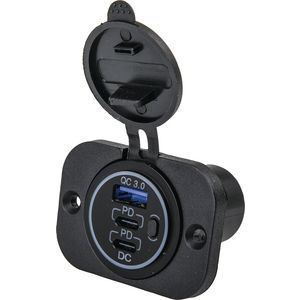
Drivetech 4x4 QC3.0 Quick Charge USB, Type-C Port and Voltage Display Power Socket - DT-17103
$30.80
$44


30%OFF
Drivetech 4x4 OE Style Push Button Switch Driving Lights, Suits Toyota and Mitsubishi - DT-11002
$23.10
$33


30%OFF
Drivetech 4x4 Rocker Beacon Switch On/Off SPST 12 or 24V Blue Illumination (Contacts Rated 20A @ 12V) - DT-11012
$21.70
$31


30%OFF
Drivetech 4x4 OE Style Push Button Switch Aux Lights Symbol Suits Toyota - DT-11019
$26.60
$38

30%OFF
Drivetech 4x4 Rocker Driving Lights Switch On/Off SPST 12 or 24V Blue Illumination (Contacts Rated 20A @ 12V) - DT-11008
$21.70
$31


30%OFF
Drivetech 4x4 Rocker Winch Switch Mom On/Off Mom On SPDT 12 or 24V Blue Illuminated (Contacts Rated 20A @ 12V) - DT-11007
$30.10
$43

30%OFF
Drivetech 4x4 Rocker AUX Lights Switch On/Off SPST 12 or 24V Blue Illumination (Contacts Rated 20A @ 12V) - DT-11013
$21.70
$31


30%OFF
Drivetech 4x4 OE Style Push Button Switch Roof Lights, Suits Toyota and Mitsubishi - DT-11082
$23.10
$33

30%OFF
Drivetech 4x4 Rocker 4 Switch Panel On - Off - SPST 12 or 24V Blue Illumination (Contacts Rated 20A @ 12V) - DT-11030
$105
$150

30%OFF
Drivetech 4x4 OE Style Push Button Switch USB Socket, Suits Toyota and Mitsubishi - DT-11103
$29.40
$42


30%OFF
Drivetech 4x4 OE Style Push Button Switch Beacon, Suits Toyota and Mitsubishi - DT-11077
$23.10
$33

30%OFF
Drivetech 4x4 Rocker Front Diff Switch On/Off SPST 12 or 24V Blue Illumination (Contacts Rated 20A @ 12V) - DT-11022
$21.70
$31


Product added to cart
2010 Nissan Pulsar Batteries
Based on technical sources, a battery is definitely fitted and relevant on a 2010 Nissan Pulsar. The Nissan Tiida/Pulsar C11 owner’s manual and Nissan Electronic Service Manual specify a 12‑volt maintenance‑free lead‑acid battery for engine starting and vehicle electrics, and major AU/NZ fitment catalogues (e.g., Century/Yuasa and SuperCharge) list direct‑fit options for this model year.
The battery on a 2010 Pulsar does the heavy lifting every day: it cranks the engine, stabilises voltage for the ECU and sensors, and keeps essentials like lights, audio, and security systems powered. While the alternator maintains charge on the move, the battery is the backbone for reliable starts and smooth electronics under the bonnet and in the cabin.
As part of regular servicing, it pays to check battery health yearly, especially after three years on the road. Most owners will see 4–6 years from a quality unit in Aussie or Kiwi conditions, but short trips, heat, and accessories can shorten that. A quick load test and a charge‑rate check (look for roughly 13.8–14.6V with the engine running) help spot trouble early.
When replacing, match the physical size, terminal layout, and cold cranking amps to the Pulsar’s tray and cabling. This generation typically takes a JIS‑style 12V battery, many choose a sealed maintenance‑free flooded lead‑acid. AGM isn’t required unless running heavier accessories, and most 2010 Pulsars don’t use stop‑start. No battery coding is normally needed, but a memory saver can help retain radio presets and throttle trims.
- Warning signs: slow cranking, dimming lights at idle, clicking relay, swollen case, or recurring flat battery.
- Good habits: keep terminals clean and tight, ensure the hold‑down is secure, and avoid deep discharges.
- Safety: wear eye protection, disconnect negative first and reconnect it last, and recycle the old unit properly.
If the car sits for weeks, a smart maintainer under the bonnet can keep the charge healthy. For daily drivers, a quick visual each service and a proper test before winter or long trips will keep the Pulsar starting first go.
Popular questions
What battery type and size suits a 2010 Nissan Pulsar?
Most 2010 Pulsars (C11 series) use a 12V JIS‑style maintenance‑free lead‑acid battery. The exact case size and terminal orientation can vary by trim and market, so it’s best to match what’s in the tray or use a reputable AU/NZ fitment guide. Aim for a unit with adequate cold cranking amps to handle local climate and accessories.
How long should the battery last, and what are the tell‑tale signs it’s failing?
Expect around 4–6 years from a quality battery, depending on driving patterns and heat. Slow cranking, repeated jump‑starts, dim lights at idle, or a battery warning light during starts are classic signs. A workshop load test and charging system check will confirm what’s going on.
Does a 2010 Pulsar need AGM or battery coding when replaced?
Generally no. Most 2010 Pulsars don’t have stop‑start, so a sealed maintenance‑free flooded battery is fine. AGM is optional if extra resilience is desired. Battery coding isn’t typically required on this model, though using a memory saver helps keep presets, and a quick idle relearn may be needed after reconnecting.
Popular Searches


