Your Selected Vehicle
Parts for your 2008 Holden Captiva 5-Batteries



30%OFF
Drivetech 4x4 OE Style Switch UHF RJ45 Socket, Suits Toyota and Mitsubishi - DT-11105
$32.20
$46

30%OFF
Drivetech 4x4 OE Style Push Button Switch Driving Lights, Suits Toyota and Mitsubishi - DT-11002
$23.10
$33


30%OFF
Drivetech 4x4 OE Style Push Button Switch Lightbar, Suits Toyota and Mitsubishi - DT-11081
$23.10
$33

30%OFF
Drivetech 4x4 OE Style Push Button Switch Aux Lights Symbol Suits Toyota and Mitsubishi - DT-11078
$23.10
$33


30%OFF
Drivetech 4x4 Dual USB Socket 2.1A Per USB - Panel Mount with Voltmeter - DT-11025
$37.80
$54

30%OFF
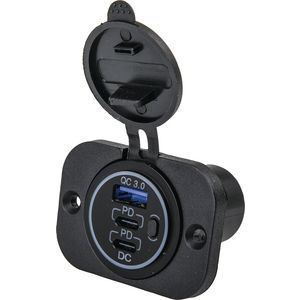
Drivetech 4x4 QC3.0 Quick Charge USB, Type-C Port and Voltage Display Power Socket - DT-17103
$30.80
$44

30%OFF
Drivetech 4x4 Rocker Fog Lights Switch On/Off SPST 12 or 24V Blue Illumination (Contacts Rated 20A @ 12V) - DT-11020
$21.70
$31


30%OFF
Drivetech 4x4 OE Style Push Button Switch Roof Lights, Suits Toyota and Mitsubishi - DT-11082
$23.10
$33

30%OFF
Drivetech 4x4 Rocker Driving Lights Switch On/Off SPST 12 or 24V Blue Illumination (Contacts Rated 20A @ 12V) - DT-11008
$21.70
$31


30%OFF
Drivetech 4x4 OE Style Push Button Switch Aux Lights Symbol Suits Toyota - DT-11019
$26.60
$38

30%OFF
Drivetech 4x4 Rocker Winch Switch Mom On/Off Mom On SPDT 12 or 24V Blue Illuminated (Contacts Rated 20A @ 12V) - DT-11007
$30.10
$43


30%OFF
Drivetech 4x4 Rocker 4 Switch Panel On - Off - SPST 12 or 24V Blue Illumination (Contacts Rated 20A @ 12V) - DT-11030
$105
$150


30%OFF
Drivetech 4x4 OE Style Push Button Switch Beacon, Suits Toyota and Mitsubishi - DT-11077
$23.10
$33


30%OFF
Drivetech 4x4 Rocker Beacon Switch On/Off SPST 12 or 24V Blue Illumination (Contacts Rated 20A @ 12V) - DT-11012
$21.70
$31

30%OFF
Drivetech 4x4 OE Style Push Button Switch Auxiliary Lights, Suits Holden and Isuzu - DT-11086
$26.60
$38

30%OFF
Drivetech 4x4 Rocker AUX Lights Switch On/Off SPST 12 or 24V Blue Illumination (Contacts Rated 20A @ 12V) - DT-11013
$21.70
$31


Product added to cart
2008 Holden Captiva 5 batteries
Based on the 2008 Holden Captiva Owner’s Manual and mainstream fitment catalogues used by workshops (e.g., ACDelco and Exide), the 2008 Holden Captiva 5 is fitted with a 12‑volt lead‑acid starting battery. Batteries are absolutely relevant to this model—the vehicle’s engine management, starting system, lighting and accessories all rely on a healthy battery to operate as intended.
In the Captiva 5, the battery’s job is to deliver a high burst of current to crank the engine, then stabilise voltage while the alternator handles ongoing electrical loads. It keeps the ECU, immobiliser and memory functions alive, and powers essentials under the bonnet and inside the cabin when the engine’s off. Most Australian and New Zealand–delivered Captiva 5 variants use a conventional flooded lead‑acid unit, with AGM sometimes chosen for higher accessory loads. Fitment size commonly aligns with European DIN types (many vehicles take a DIN66/LN3/H6 equivalent), but owners should confirm the exact spec against the owner’s manual or a current fitment guide, and meet or exceed the factory cold‑cranking amps (CCA).
- Typical lifespan: about 3–5 years in local conditions, shorter with frequent short trips or high heat.
- Early warning signs: slower cranking, dim headlights at idle, intermittent warning lights, or repeated jump‑starts.
For servicing and replacement, it pays to test the battery and charging system annually or before road trips. A healthy resting voltage sits around 12.6–12.8 V, with the engine running, the alternator usually shows about 13.8–14.7 V. When replacing, choose the correct physical size and terminal layout, and ensure the new unit’s CCA meets the engine’s needs. A memory saver can help retain presets, but the Captiva 5 typically doesn’t require battery coding—just expect to reset the clock, radio presets and possibly perform a short idle relearn.
- Removal and install tips:
- Park safe, ignition off, then disconnect negative first, positive second, refit positive first, negative last.
- Clean terminals and clamps, neutralise corrosion with a bicarb solution and dry thoroughly.
- Secure the hold‑down properly—loose batteries can vibrate and fail early.
- Use a smart charger if the vehicle isn’t driven often.
Dispose of old batteries responsibly at a recycling point—lead‑acid batteries are highly recyclable and shouldn’t go to landfill.
Popular questions about 2008 Holden Captiva 5 batteries
What battery size and type fits a 2008 Holden Captiva 5?
Most Captiva 5s accept a European‑style battery commonly listed as DIN66/LN3 (also known as H6). A standard flooded lead‑acid unit is typical, AGM can be used if the vehicle runs heavier accessories. Always match or exceed the factory CCA and confirm dimensions and terminal layout against the owner’s manual or a current fitment guide.
How long will the battery last, and what are the signs it’s due?
In Aussie and Kiwi conditions, 3–5 years is a fair run. Signs it’s on the way out include sluggish cranking, repeated jump‑starts, dimming lights at idle, or an electrical gremlin that vanishes after a boost. A quick load test during a service will confirm its health before it lets the owner down.
Does the Captiva 5 need coding after a battery change?
Generally, no coding is required on 2008 models. The vehicle may lose radio presets and the clock, and may briefly relearn idle. Using a memory saver can keep settings intact, but even without one, it’s usually a straightforward swap if the correct battery spec is chosen and installed correctly.
Popular Searches


