Your Selected Vehicle
Parts for your 2003 Honda Cr-v


Suits Honda CRV 06- Rear Diff mount centre bush - BU5106
Fitment Notes:

Explore 4WD & Adventure


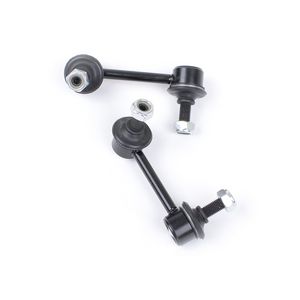


Maintaining Your 2003 Honda CR-V: Oxygen Sensors
The 2003 Honda CR-V is a reliable and practical choice for anyone seeking a versatile vehicle that can comfortably handle daily commutes and adventurous road trips alike. As proud owners of the CR-V know, regular maintenance is crucial to ensure that the vehicle continues to perform optimally. One of the essential components that require periodic attention is the oxygen sensor, a part integral to the efficiency of your vehicle's engine management system.
The oxygen sensors in your 2003 Honda CR-V play a critical role in monitoring the level of oxygen in the exhaust gases. They are used by the engine control unit (ECU) to optimise the air-fuel ratio, which ensures efficient combustion, maximises fuel economy, and reduces harmful emissions. Typically, your CR-V contains two oxygen sensors: one located upstream (before the catalytic converter) and one downstream (after the catalytic converter).
- Upstream (Pre-Catalyst) Oxygen Sensor: This sensor measures the amount of oxygen in the exhaust gas as it exits the engine. It provides data to the ECU to help maintain the ideal air-fuel mixture for combustion.
- Downstream (Post-Catalyst) Oxygen Sensor: Located after the catalytic converter, this sensor monitors the efficiency of the converter by measuring the oxygen levels post-treatment of the exhaust gases.
While these sensors are built to be durable, they can wear out over time due to exposure to hot gases and contaminants. Common signs that your oxygen sensors might need attention include a drop in fuel efficiency, poor engine performance, a rough idle, or the check engine light illuminating on the dashboard. When any of these symptoms arise, it's essential to consider the possibility that one or both oxygen sensors might need maintenance or replacement.
Before diving into replacement procedures, it's important to understand why maintaining these sensors is crucial. A faulty oxygen sensor can lead to an incorrect fuel mixture, which often results in increased fuel consumption and elevated emission levels. It can also cause long-term damage to the catalytic converter - a much more expensive component to replace.
Replacing the oxygen sensors on your 2003 CR-V is generally a straightforward task but does come with a few considerations:
- Location and Accessibility: Make sure you know the exact location of the sensors. The upstream sensor is usually more accessible and visible in the engine bay, while the downstream sensor may require the car to be lifted if it is situated underneath the vehicle.
- Tools and Equipment: You will need an oxygen sensor socket, a ratchet, and potentially some penetrating lubricant to loosen sensors that may have become stuck over time. Having a torque wrench handy is advisable to ensure the new sensors are fitted correctly.
- New Sensor Installation: Always ensure that the new sensors are the correct specification for your CR-V. As oxygen sensors are sensitive devices, handle them carefully and avoid contaminating the sensing element.
Once the new sensors are installed, it's a good idea to clear any error codes from the vehicle's ECU. This can be done with a diagnostic tool, or you may consider a brief drive cycle that allows the ECU to recalibrate with the new data from the sensors.
If you're not confident in tackling this task on your own, or if diagnosing the issue is proving tricky, consulting a professional mechanic ensures that the job is done right. They'll have the tools and expertise to quickly assess whether the sensors are truly at fault and replace them as needed.
In terms of maintenance, keeping your engine in good health is the best way to prolong the life of your oxygen sensors. Regular oil changes, maintaining the fuel system cleanliness, and ensuring the exhaust system is free from leaks all contribute to a healthy engine environment. It's also wise to check the manufacturer's guidelines to determine how frequently the sensors should be inspected or replaced as part of your regular servicing schedule.
In essence, by maintaining the oxygen sensors of your 2003 Honda CR-V, you contribute not only to the longevity and efficiency of the vehicle but also play a part in ensuring the emissions remain as low as possible. This proactive maintenance approach keeps your CR-V running smoothly and economically, allowing you to enjoy every journey with peace of mind.


