Your Selected Vehicle
Parts for your 2002 Suzuki Vitara-Batteries


Autel AC Wallbox EV Charger 7kw Single Phase Type 2 Cable with Wi-Fi in Dark Grey - MW7KW1PH-C
Fitment Notes:


Explore 4WD & Adventure


Stedi Vice Bull Bar Tube Clamps 44.5mm-48mm Cast Aluminium Stainless Steel Hardware - BRKUNIV-44.5-48MM
Fitment Notes:




Narva Heavy Duty Push Button Switch Momentary On SPST (Contacts Rated 60A @ 12V) - 60033BL
Fitment Notes:


OEX Mini Relay 12V 4 Pin Normally Open 40A (30 & 86 terminals are reversed) Resistor Protected, Sealed - ACX1966RBL
Fitment Notes:

LED Autolamps 12/24V LED Amber Emergency Light Flash Patterns With Sync Wire Blister Pack - 120035AM
Fitment Notes:


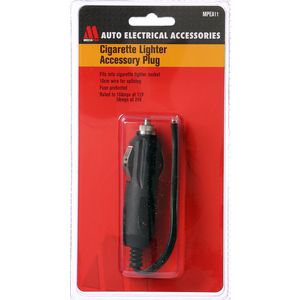
Narva Cigarette Lighter Plug with Off/On Rocker Switch and L.E.D Indicator - 81010BL
Fitment Notes:


OEX Battery Master / Isolation Switch On/Off SPST (Contacts Rated 275A @ 12V) - ACX3412
Fitment Notes:


Battery Replacement and Maintenance for Your 2002 Suzuki Vitara
When it comes to ensuring your 2002 Suzuki Vitara runs smoothly, one of the key components you'll need to keep an eye on is the battery. As the heart of your vehicle's electrical system, the car battery provides the power necessary to start the engine and powers other electrical components like lights and radio when the engine is off. To keep everything running flawlessly, here's everything you need to know about maintaining and replacing your Vitara's battery.
If your Vitara is experiencing slow engine cranking, dim lights, or your dashboard battery warning light has come on, it might be time to inspect or replace the battery. On average, car batteries last about 3 to 5 years, depending on usage patterns and environmental factors. However, keeping a check on symptoms of a failing battery can prevent unexpected breakdowns.
- Regular Inspection: Every few months, pop the bonnet and give your battery a quick inspection. Look for any signs of corrosion on the terminals, damage to the case, or any loose connections. Corrosion can often appear as a white, ashy substance, which can be cleaned with a battery terminal cleaner or a mixture of baking soda and water.
- Testing Voltage: It's a good practice to use a multimeter to check your battery's voltage periodically. A fully charged 12-volt car battery should typically read around 12.6 volts or more. If the reading is below 12 volts, it's an indication that the battery is not holding a full charge and might need replacement.
- Battery Terminals: Ensuring the battery terminals are tight and free from corrosion is crucial. Clean any excessive dirt or buildup from the terminal and ensure a snug fit on the post to secure good electric conductivity.
- Environment: While it's hard to control the climate where you drive, it's good to be aware that extreme temperatures can affect battery performance. Ensure your vehicle is parked away from direct sunlight in summers to prevent battery overheating. In colder climates, a battery blanket can be used to retain heat.
- Replacement: Following the manufacturer's recommendation for replacing your Vitara's battery is important. Choose a high-quality replacement that meets necessary specifications. Consult with a manual or a professional mechanic to make sure the new battery is suited for your vehicle.
Remember, the key to a long-lasting car battery is consistent maintenance and addressing minor issues before they evolve into major problems. Keeping these tips in mind can help you get the most out of your battery and minimise unexpected troubles. Whenever in doubt, don't hesitate to consult with a professional who can offer insights specific to your Suzuki Vitara's needs. Happy driving!


