Your Selected Vehicle
Parts for your 2001 Nissan Pathfinder-Batteries


OEX 500 Lumen Rechargeable LED Flood Light with Bluetooth Speaker - LLX3008
Fitment Notes:


OEX 3mm Twin Core Automotive Cable, Figure 8, Red With Black Trace - 4m Roll (NZ Ref.151) - ACX0802-4M
Fitment Notes:
Explore 4WD & Adventure


OEX Rocker Surface Mount Switch On/Off SPST 12V Blue Illuminated (contacts Rated 30A @ 12V) - ACX1973BL
Fitment Notes:


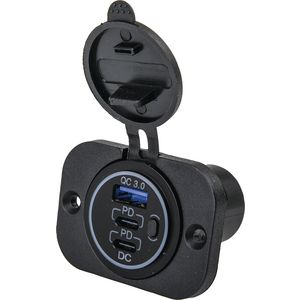


Narva Rotary Battery Master / Isolation Switch (Contacts Rated 300A @ 12V) - 61082BL
Fitment Notes:


Narva 3 Position Ignition Switch With Push For Choke Function (Contacts Rated 5A @ 12V) - 64008
Fitment Notes:


OEX Mini Relay 12V 4 Pin Normally Open 40A - Resistor Protected, Sealed - ACX1939RBL
Fitment Notes:


Understanding the Battery in the 2001 Nissan Pathfinder
The 2001 Nissan Pathfinder is a reliable and tough SUV designed for both city driving and off-road adventures. Like most vehicles of its class and era, it is fitted with a conventional 12-volt lead-acid battery, which plays a crucial role in keeping the vehicle up and running smoothly. The battery in the 2001 Nissan Pathfinder is not just any component, it is the backbone of the vehicle's electrical system and the primary source of power when starting the engine.
The battery's main purpose is to provide the initial electrical energy needed to start the engine. When the driver turns the ignition key, the battery sends a strong burst of electricity to the starter motor. This helps crank the engine until it starts running on its own. Once the engine is firing, the alternator takes over, recharging the battery and powering most of the vehicle's electrical components like lights, radio, and dashboard instruments.
Without a fully functioning battery, the 2001 Nissan Pathfinder won't even start, no matter how reliable the engine might be. Plus, many electronic systems inside the vehicle rely on a steady supply of power to operate correctly. A weak or failing battery can cause dim lights, poor radio performance, or even problems with the onboard computer systems.
Keeping the battery in good shape should definitely be part of regular maintenance for the 2001 Nissan Pathfinder. Batteries don't last forever and can wear out over time, especially under tough Australian conditions where heat and vibration can take their toll. It's a good idea to check the battery every six months or so, depending on how much the vehicle is driven.
When inspecting the battery, one of the key things to look for is corrosion on the terminals. Corrosion appears as a white or bluish powdery substance, and it can interfere with the electrical connection, causing starting issues. Cleaning the terminals with a simple mixture of baking soda and water, applied with a brush, can help maintain a solid connection. Just make sure the battery is disconnected before cleaning to avoid any risk of electrical shock or spark.
Another important aspect to keep an eye on is the battery's voltage and general condition. Many auto parts stores and garages have battery testers that can check the charge level and health of the battery. A healthy battery should have a resting voltage of about 12.6 volts when the engine is off. If the voltage drops below 12.4 volts, it might be time to think about recharging or replacing the battery.
In Australian conditions, where temperatures can soar and vehicles might spend long periods sitting idle, batteries can drain faster than expected. It's wise to keep an eye on how long the battery holds its charge, especially after longer periods without use. For those who take their Pathfinder on extended trips, carrying a portable jump starter or jumper leads can be a lifesaver if the battery fails unexpectedly.
When it comes time to replace the battery on a 2001 Nissan Pathfinder, selecting the right type is important. Most models use a standard group size 24F battery, but it's always good to double-check the owner's manual or get advice from a professional. The new battery should have the correct cold cranking amps (CCA) rating, which is the measure of how much power the battery can deliver to start the engine in cold conditions. A higher CCA rating generally means better starting performance.
Installation is straightforward but should be done carefully. Always connect the positive terminal first and the negative terminal last to avoid short circuits. Also, ensure the battery is secured properly in its tray to prevent movement or damage from vibrations when driving off-road or on rough terrain.
Maintaining the battery also means avoiding deep discharges wherever possible. While the alternator recharges the battery during normal driving, leaving the vehicle's lights or accessories on for extended periods with the engine off will drain the battery quickly and reduce its lifespan. If the Pathfinder isn't going to be used for a while, it's a good idea to disconnect the battery or use a trickle charger to keep it topped up.
All in all, the battery is a small but mighty part of the 2001 Nissan Pathfinder's overall performance. Regular attention to its condition can prevent those frustrating moments when the engine won't start, especially in Australia's extreme weather. By keeping the battery clean, fully charged, and properly maintained, Pathfinder owners can enjoy peace of mind and keep their vehicle ready for any journey, whether on the bitumen or the bush track.


