Your Selected Vehicle
Parts for your 1993 Suzuki Vitara-Batteries



30%OFF
Drivetech 4x4 OE Style Switch UHF RJ45 Socket, Suits Toyota and Mitsubishi - DT-11105
$32.20
$46

30%OFF
Drivetech 4x4 OE Style Push Button Switch Lightbar, Suits Toyota and Mitsubishi - DT-11081
$23.10
$33


30%OFF
Drivetech 4x4 OE Style Push Button Switch Aux Lights Symbol Suits Toyota and Mitsubishi - DT-11078
$23.10
$33


30%OFF
Drivetech 4x4 Dual USB Socket 2.1A Per USB - Panel Mount with Voltmeter - DT-11025
$37.80
$54

30%OFF
Drivetech 4x4 Rocker Fog Lights Switch On/Off SPST 12 or 24V Blue Illumination (Contacts Rated 20A @ 12V) - DT-11020
$21.70
$31


30%OFF
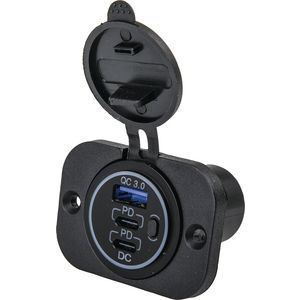
Drivetech 4x4 QC3.0 Quick Charge USB, Type-C Port and Voltage Display Power Socket - DT-17103
$30.80
$44


30%OFF
Drivetech 4x4 OE Style Push Button Switch Driving Lights, Suits Toyota and Mitsubishi - DT-11002
$23.10
$33


30%OFF
Drivetech 4x4 Rocker Beacon Switch On/Off SPST 12 or 24V Blue Illumination (Contacts Rated 20A @ 12V) - DT-11012
$21.70
$31


30%OFF
Drivetech 4x4 OE Style Push Button Switch Aux Lights Symbol Suits Toyota - DT-11019
$26.60
$38

30%OFF
Drivetech 4x4 Rocker Driving Lights Switch On/Off SPST 12 or 24V Blue Illumination (Contacts Rated 20A @ 12V) - DT-11008
$21.70
$31


30%OFF
Drivetech 4x4 Rocker Winch Switch Mom On/Off Mom On SPDT 12 or 24V Blue Illuminated (Contacts Rated 20A @ 12V) - DT-11007
$30.10
$43

30%OFF
Drivetech 4x4 Rocker AUX Lights Switch On/Off SPST 12 or 24V Blue Illumination (Contacts Rated 20A @ 12V) - DT-11013
$21.70
$31


30%OFF
Drivetech 4x4 OE Style Push Button Switch Roof Lights, Suits Toyota and Mitsubishi - DT-11082
$23.10
$33

30%OFF
Drivetech 4x4 Rocker 4 Switch Panel On - Off - SPST 12 or 24V Blue Illumination (Contacts Rated 20A @ 12V) - DT-11030
$105
$150

30%OFF
Drivetech 4x4 OE Style Push Button Switch USB Socket, Suits Toyota and Mitsubishi - DT-11103
$29.40
$42


30%OFF
Drivetech 4x4 OE Style Push Button Switch Beacon, Suits Toyota and Mitsubishi - DT-11077
$23.10
$33

30%OFF
Drivetech 4x4 Rocker Front Diff Switch On/Off SPST 12 or 24V Blue Illumination (Contacts Rated 20A @ 12V) - DT-11022
$21.70
$31


Product added to cart
Battery Maintenance for Your 1993 Suzuki Vitara
When it comes to keeping your trusty 1993 Suzuki Vitara running smoothly, the condition of your vehicle's battery is key. While the specific type of battery may vary based on individual needs or upgrades, generally, a suitable battery should meet the specifications required for older Suzuki Vitara models.
- Battery Type: Typically, the 1993 Suzuki Vitara would use a 12V lead-acid battery. Check that the battery fits securely within the allocated space under the bonnet.
- CCA Rating: The Cold Cranking Amps (CCA) rating gives an idea of the battery's ability to start the vehicle in cold weather conditions. Aim for a CCA around 350-450 but refer to the vehicle manufacturer's recommendations for precise figures.
- Reserve Capacity: This is an important feature that reflects how long the battery can power the vehicle's essential systems should the alternator fail. A reserve capacity of 90-120 minutes is usually adequate.
Regular checks and maintenance of your car's battery can enhance its lifespan and avoid potential problems. Start by examining the battery terminals and cables. Over time, terminals can corrode, leading to poor connections and eventual starting issues. Clean them periodically using a mixture of baking soda and water, ensuring they're dry before reconnecting.
Additionally, monitor the water levels in lead-acid batteries regularly, especially during warmer months. This type of battery requires distilled water to maintain optimal function, so ensure the plates inside are submerged but avoid overfilling. Modern sealed batteries can often bypass this maintenance step.
Another aspect of good battery care is ensuring a snug fit. A battery that moves about can be vulnerable to vibrations which can accelerate wear or cause damage. Check that the mounting fixtures are tight enough to keep the battery stable.
Finally, don't overlook your driving habits as they can affect battery life. Short trips tend to deplete the battery more than they recharge it. Try to incorporate longer drives into your routine, as this can ensure the alternator has sufficient time to recharge the battery effectively. If you're not using the vehicle for extended periods, consider a trickle charger to maintain charge levels.
Remember, a failing battery won't always show clear symptoms until it's too late. Consider battery testing during your regular vehicle service routine. A technician can identify any areas of concern and guide whether a replacement might be necessary to keep everything in top form.
Popular Searches


