Your Selected Vehicle
Parts for your 1986 Suzuki Swift-Batteries



30%OFF
Drivetech 4x4 OE Style Switch UHF RJ45 Socket, Suits Toyota and Mitsubishi - DT-11105
$32.20
$46

30%OFF
Drivetech 4x4 OE Style Push Button Switch Driving Lights, Suits Toyota and Mitsubishi - DT-11002
$23.10
$33


30%OFF
Drivetech 4x4 OE Style Push Button Switch Lightbar, Suits Toyota and Mitsubishi - DT-11081
$23.10
$33

30%OFF
Drivetech 4x4 OE Style Push Button Switch Aux Lights Symbol Suits Toyota and Mitsubishi - DT-11078
$23.10
$33


30%OFF
Drivetech 4x4 Dual USB Socket 2.1A Per USB - Panel Mount with Voltmeter - DT-11025
$37.80
$54

30%OFF
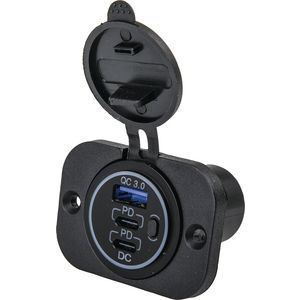
Drivetech 4x4 QC3.0 Quick Charge USB, Type-C Port and Voltage Display Power Socket - DT-17103
$30.80
$44

30%OFF
Drivetech 4x4 Rocker Fog Lights Switch On/Off SPST 12 or 24V Blue Illumination (Contacts Rated 20A @ 12V) - DT-11020
$21.70
$31


30%OFF
Drivetech 4x4 OE Style Push Button Switch Roof Lights, Suits Toyota and Mitsubishi - DT-11082
$23.10
$33

30%OFF
Drivetech 4x4 Rocker Driving Lights Switch On/Off SPST 12 or 24V Blue Illumination (Contacts Rated 20A @ 12V) - DT-11008
$21.70
$31


30%OFF
Drivetech 4x4 OE Style Push Button Switch Aux Lights Symbol Suits Toyota - DT-11019
$26.60
$38

30%OFF
Drivetech 4x4 Rocker Winch Switch Mom On/Off Mom On SPDT 12 or 24V Blue Illuminated (Contacts Rated 20A @ 12V) - DT-11007
$30.10
$43


30%OFF
Drivetech 4x4 Rocker 4 Switch Panel On - Off - SPST 12 or 24V Blue Illumination (Contacts Rated 20A @ 12V) - DT-11030
$105
$150


30%OFF
Drivetech 4x4 OE Style Push Button Switch Beacon, Suits Toyota and Mitsubishi - DT-11077
$23.10
$33


30%OFF
Drivetech 4x4 Rocker Beacon Switch On/Off SPST 12 or 24V Blue Illumination (Contacts Rated 20A @ 12V) - DT-11012
$21.70
$31

30%OFF
Drivetech 4x4 OE Style Push Button Switch Auxiliary Lights, Suits Holden and Isuzu - DT-11086
$26.60
$38

30%OFF
Drivetech 4x4 Rocker AUX Lights Switch On/Off SPST 12 or 24V Blue Illumination (Contacts Rated 20A @ 12V) - DT-11013
$21.70
$31


Product added to cart
1986 Suzuki Swift batteries — purpose, care and when to replace
Batteries are absolutely used and relevant on the 1986 Suzuki Swift. Technical sources including the Suzuki Swift/Cultus factory service manual (1983–1988), the Haynes Suzuki Swift repair manual, and Australian/New Zealand application guides from major battery makers all specify a 12‑volt negative‑earth starting battery for this model.
On a 1986 Swift, the battery’s job is straightforward but critical. It cranks the starter motor, feeds the ignition system, and keeps essentials like lights, wipers and the radio alive when the engine’s off. Once the motor’s running, the alternator takes over and recharges the battery, with the battery acting as a voltage buffer so the electrics stay stable.
When replacing, it pays to match a compact JIS‑style battery that fits the tray and clamp, with the correct terminal orientation for the Swift’s leads. Many owners opt for a unit in the 300–430 CCA range with roughly 36–55 Ah capacity, which suits everyday Aussie and Kiwi conditions. If unsure, check the existing battery label or a local fitment guide before buying.
Basic servicing helps the Swift start first turn:
- Voltage check: 12.6 V or higher at rest is healthy, around 12.2 V suggests a recharge and test.
- Charging check: With the engine idling, most Swifts show about 13.8–14.5 V across the terminals.
- Terminals: Keep posts clean and tight, a dab of dielectric grease helps prevent corrosion.
- Fluid level: If the battery has removable caps, top up with distilled water to the marks, many modern replacements are maintenance‑free.
- Hold‑down: Ensure the clamp is secure so vibration doesn’t shorten battery life.
Typical lifespan is 4–6 years, but lots of short trips, heat, or accessories can bring that down. A slow crank, dim headlights at idle, a sulphur smell, or a swollen case are all red flags. It’s smart to have the battery load‑tested annually, especially before winter.
DIY swap is simple: switch everything off, remove the negative (earth) lead first, then positive, transfer any vent tubes or sleeves, fit the new battery, connect positive first, then negative, and recycle the old unit responsibly. Eye protection is a must, and avoid sparks around battery gases under the bonnet.
Popular questions
What battery type and size fits a 1986 Suzuki Swift?
A compact JIS‑style 12 V lead‑acid starting battery is typically used. Many owners choose around 300–430 CCA with a case that suits the Swift’s tray and clamp, and the correct left/right terminal layout. Check the current battery label or a local application guide to confirm fitment.
How long should a Swift battery last, and what are the warning signs?
In Australian and New Zealand conditions, 4–6 years is common. Watch for slow cranking, dim lights, intermittent starting, sulphur smell, or a bloated case. If it measures below about 12.2 V at rest after a full charge, get it tested.
What voltage should I see with the engine off and running?
Fully charged and resting, expect roughly 12.6–12.8 V. With the engine running, most healthy charging systems show about 13.8–14.5 V at the battery. If it’s much lower or higher, have the alternator and regulator checked.
Popular Searches


