Brushed impact wrench vs brushless impact wrenches
Which should you choose?
Peter Sitkowski | 7th June 2023 | 6 minutes to read
For the longest time, brushed motors, also known as DC motors, were your go-to for electric power tools like impact wrenches and basically anything that required a small electric motor to run. Even when brushless motors came along in the early 00s, the price difference was often too much to justify for a lot of tradies to make the shift.
These days though, the cost of brushless power tools has started to drop, and the virtues of a contactless motor are hard to ignore.
So, which of these motors is better? Which of these is going to be better for your impact wrench or impact driver? We’ll take a stab at answering those questions and more.
Here are the main topics we’ll cover in this article to help you figure out which type of motor is better for you:
What Is a Brushed Motor?
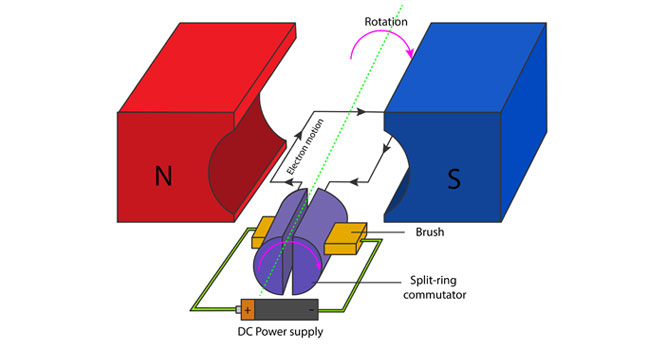
Brushed motors have been around for a while and they’re still the most common motor used in power tools to this day — although that is slowly changing.
These motors are made up of a set of permanent magnets and a rotating set of magnets, as well as a commutator, carbon brushes, and an armature assembly.
Basically, when the motor is turned on, the charge is carried to the commutator through the brushes, which are spring-loaded and will always keep physical contact with the commutator.
The commutator then passes this charge onto the armature assembly, which has a number of copper windings on it that then become magnetised and will rotate to find the opposing polarity of the stationary magnets.
The brushes and commutator constantly reverse the polarity of the magnets so that it consistently spins the output shaft (that’s the business end of your rattle gun or impact driver) until the power from the motor stops.
The Milwaukee Powerstate Brushless Motor found in their M18 Fuel range of power tools
What Is a Brushless Motor?

The Milwaukee Powerstate Brushless Motor found in their M18 Fuel range of power tools.
Instead of the commutator and brush setup that a brushed motor uses, brushless motors use an electronic controller that controls the charge of static electromagnets. These electromagnets are positioned on the outside of the rotor, which is now made up of the permanent magnets, and the electromagnets have their charge changed to either attract or repel the permanent magnets and move the rotor.
What Are the Benefits of a Brushless Motor?
Brushless motors are becoming the new standard for major tool companies for a reason, such as Milwaukee’s M18 Fuel range of power tools and specialty tools. A brushed motor suffers from the friction created by the brushes rubbing against the commutator.
Friction in Brushed Motors
This friction damages the brushes over time, meaning that they usually have to be replaced after a certain amount of work hours, as well as causing sparking inside the tool, which can be dangerous if working in combustible atmosphere.
Importantly, friction from the brushes also reduces the speed that can be achieved inside the motor, meaning less power for punching screws in, and a brushed motor will also create far more heat, reducing the overall energy efficiency of the system.
Size and Weight
A brushless tool is also generally smaller and lighter than its brushed counterpart, although sometimes a bit wider. This is due to the motor not requiring the commutator and brushes found in a brushed motor.
Brushless Motors & Torque
One of the most important aspects of a brushless motor for impact tools like wrenches and drivers, is that the electronic components of a brushless design mean that torque can be supplied as and when it is needed.
Systems like Milwaukee RedLink Plus allow their impact tools to sense when they are under load and ask the battery for more power, allowing a brushless motor to maintain rotational speed where a brushed can’t. This also means you won’t be using unnecessary battery power, as the motor will adjust to the job your are performing.
Milwaukee’s One Key also utilises the electronics in brushless motors to keep track of your tools and to alert the owner of repair times. While this may seem like a fairly minor benefit, these kinds of systems are likely going to continue to be expanded upon, meaning we could see some interesting ways that brushless motors are improved via smartphone apps and wireless technology in the future.
What Are the Benefits of a Brushed Motor?
With all that said, it seems that brushless motors are just out and out better than brushed, so why purchased a brushed impact wrench?
Brushed Motors are Proven
The main benefits of a brushed motor aren’t necessarily in its design. While a brushless design is overall more efficient, less dangerous, and more powerful, it is still slightly less ‘proven’ than a brushed motor.
Brushed motors have been powering our tools for a long time, and they’ve been proven to last, while brushless technology is relatively new in comparison and still needs to win some people over in terms of longevity.
Electronics & Maintenance
There are also concerns that the circuitry inside of brushless tools makes them more challenging to maintain and will require servicing by the manufacturer rather than being simple enough to fix up by the user.
Cost Difference of Brushed & Brushless Tools
Perhaps the biggest issue for most people is the cost difference. On average, brushless tools are 30-50% more expensive than brushed tools, although that price gap is rapidly decreasing over time.
Which Motor Is Better for Impact Wrenches?
This question doesn’t necessarily have one answer. If we’re just talking about the efficiency and power of the motor, then the brushless without a doubt beats out the brushed motor in all the ways that matter.
The ability to create higher torque is incredibly important for an impact gun, because it’s used for removing tight bolts and fastenings that can require a ton of rotational force to bust if they’re rusted in on some old banger engine.
The anvil and hammer mechanism itself is also more efficient the fast it can be rotated, so the extra power of a brushless motor lends itself well in impact tools.
This means that if you’re a professional mechanic or construction worker and you’re in need of powerful tools that will get the job done quickly and efficiently, a brushless impact wrench is going to be the way to go — you also don’t have to worry about replacing those pesky brushes when they wear out.
However, if you’re a casual DIYer who is operating on a budget and just wants a tool that’ll pop off a few fastenings and be simple to maintain, then a brushed impact wrench will certainly be a great option.
Whichever you choose, check out the full Repco range of impact wrenches and drivers either at your local Repco store or online, and find the right tool for the job. We’ve even got air impact wrenches and other pneumatic tools if you need some serious torque.